






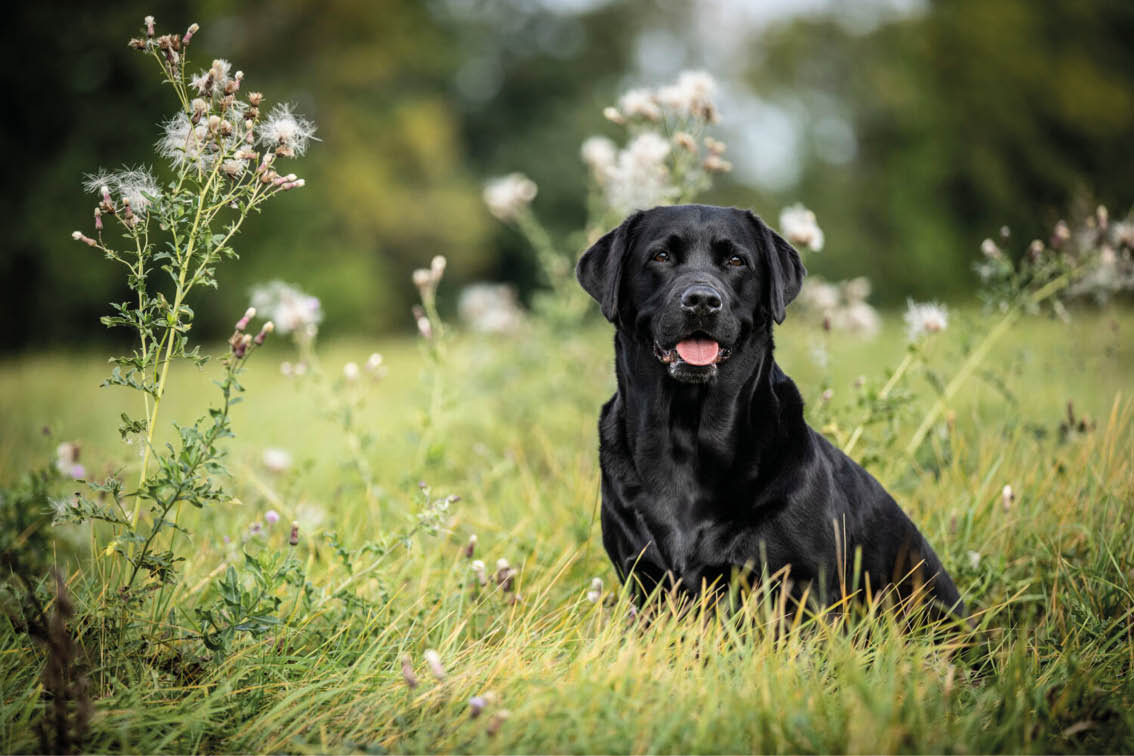
What Is Ideal Dog Weight and Body Condition?
A dog in ideal body condition should have ribs that are easy to feel under a thin layer of fat. The ribs should not stand out sharply, but they should not be hidden under a thick fat covering either. When viewed from above, there should be a visible waist behind the rib cage. From the side, the abdomen should rise slightly towards the hind legs.
This does not mean your dog should look skinny. A healthy dog still has a light fat layer over the body. The aim is balance, not thinness.
Body condition describes nutritional status and is separate from natural body shape. A slim sighthound and a compact Bulldog can both be in good body condition, even though they look very different.
Dog Body Condition Score: Understanding the BCS Scale
The Body Condition Score, or BCS, is a recognised way to assess whether a dog is underweight, at an ideal weight or overweight. Vets commonly use a 1 to 9 scale. On this scale, a score of 4 or 5 is considered ideal.
| BCS | What it usually means | Typical signs |
| 1 | Very underweight | Ribs, spine and hip bones clearly visible, almost no fat covering |
| 3 | Underweight | Waist very marked, ribs easy to see and feel |
| 5 | Ideal | Ribs easy to feel under a thin fat layer, clear waist, slight abdominal tuck |
| 7 | Overweight | Ribs difficult to feel, waist reduced, fat deposits present |
| 9 | Obese | Heavy fat covering, no visible waist, marked fat pads |
How to Check Your Dog’s Body Condition Score
- Feel the ribs
Run your hands gently along your dog’s sides. In a dog with ideal body condition, the ribs are easy to feel under a thin layer of fat, but they are not sharply visible. - Look at the waist from above
Stand above your dog and look down. Behind the rib cage, there should be a noticeable waist. If the body looks straight or broad, your dog may be carrying excess weight. - Check the base of the tail
Feel around the tail base. The bones should be easy to feel with a light fat covering. If the area feels heavily padded, this can point to excess weight.

Is My Dog Underweight?
A dog may be underweight if the ribs, spine and hip bones are clearly visible, the body looks narrow from above and there is very little fat covering the bones. If weight loss is sudden or marked, it should always be checked by a vet. Illness, parasites or poor nutrient intake can all play a role.
Is My Dog Overweight?
If the ribs are hard to feel, the waist is no longer visible and the back looks broader from above, your dog may be overweight. Fat deposits can also develop at the base of the tail. If this sounds familiar, read more in our article on what to do if your dog starts to gain weight.
If your dog is overweight, read our article: Helping Your Dog Lose Weight Safely
Breed Weight and Build: Why Charts Are Only a Guide
Breed weight charts can offer orientation, but they cannot define ideal dog weight for every dog. Age, neuter status, activity level and natural build all influence what is healthy. That is why the BCS check is often more reliable than the scale alone.
| Breed | General guide only |
| Labrador Retriever | Often solidly built, so a rib check is more useful than appearance alone |
| Golden Retriever | Often appears sturdy, but ribs should still be easy to feel under a light fat layer |
| German Shepherd | A healthy waist should still be visible |
| Chihuahua | Small dogs can become underweight or overweight quickly |
| Border Collie | Athletic dogs may look leaner while still being in ideal condition |
| Dachshund | Small changes in weight matter because of the long back |
| French Bulldog | A compact build is normal, so body condition should be assessed by touch rather than appearance alone |
| Cocker Spaniel | Weight can creep up gradually, so regular rib and waist checks are useful |
| Springer Spaniel | Active dogs can look leaner, but the waist and rib check still matter |
When Should You Speak to Your Vet?
- If your dog is clearly underweight or overweight.
- If your dog’s weight changes suddenly without an obvious reason.
- If you are unsure how to assess your dog’s body condition.
- If your dog’s weight does not improve despite changes in feeding or exercise.
Conclusion: Keep an Eye on Body Condition
A regular body condition check is a simple habit that can support your dog’s health over time. Feeling the ribs, checking the waist and looking at the tail base only takes a couple of minutes. Together with balanced nutrition and enough exercise, this helps you spot small changes early and support your dog’s wellbeing.
FAQs
Once a month is enough for healthy adult dogs. For senior dogs or after neutering, checking every two weeks can be helpful because metabolism may change more quickly during these stages of life.
Yes, but the visual check from above is often less reliable with a thick coat. In these cases, the hands-on check is more important. You should still be able to feel the ribs, spine and base of the tail through the coat.
On the common 1 to 9 scale, a score of 4 or 5 is considered ideal. From 6 onwards, a dog is generally considered overweight, with higher scores indicating a greater level of excess body fat.
Yes. As dogs get older, their energy needs often decrease and muscle mass may also change. This can slightly affect ideal weight, even though the target body condition remains the same.
The scale only shows total weight. It does not distinguish between fat and muscle. A muscular dog may seem heavy on the scale while still being in good body condition, which is why the BCS check is often more useful in everyday practice.
More articles


