






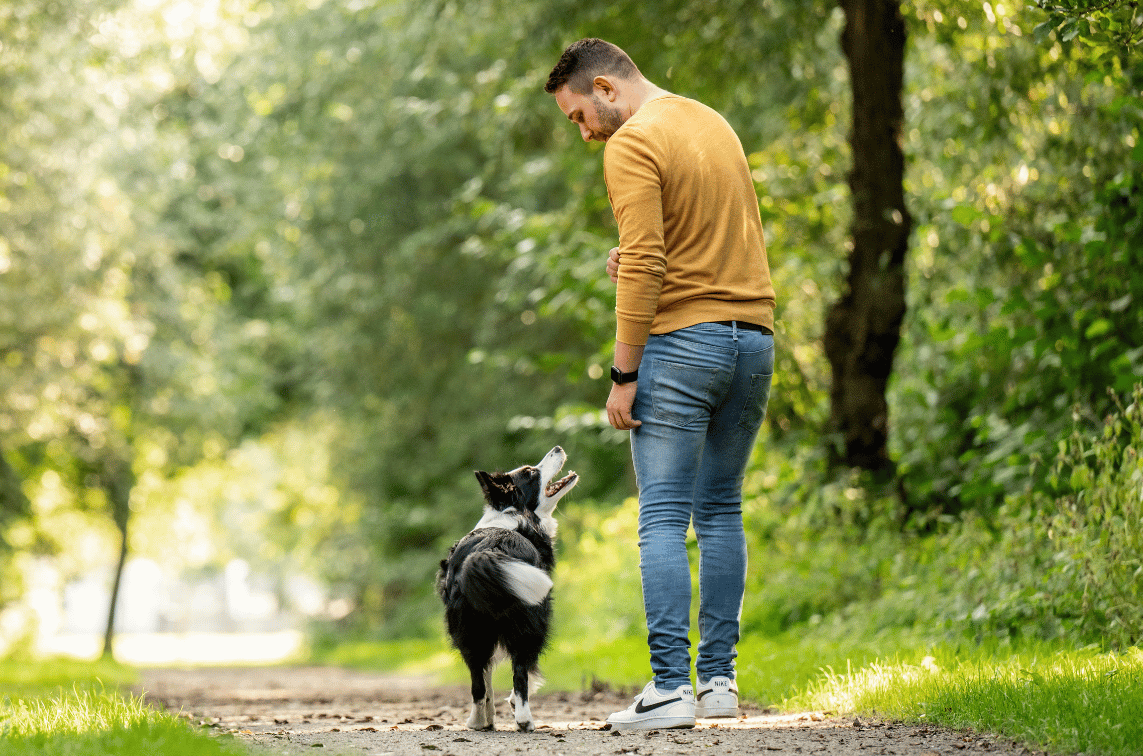
What Does Loose Leash Walking Mean for Dogs?
Loose leash walking means that the leash hangs softly between you and your dog. Your dog may still sniff, look around and move naturally, as long as the lead stays relaxed. This is different from the command “heel”, where the dog is expected to walk closely at your side.
Good leash manners make everyday walks safer and more pleasant. They help in traffic, near other dogs and in busy places. They also reduce strain on your dog’s neck or body and make the walk easier for the person holding the lead. For many dog owners, loose leash walking is one of the most useful everyday training goals.
First Steps: Getting a Puppy Used to Collar and Leash
f you want to get a puppy used to a leash, begin in a familiar place. Let your puppy wear a light collar indoors for a short time. If he scratches or rolls around, distract him with a small game and keep the moment positive.
Once the collar feels normal, attach a light leash in a quiet area at home or in the garden. Let your puppy move with it while you stay close. Do not allow biting or tugging on the leash to become a game. Use a clear signal such as “leave it” and redirect your puppy to a toy or reward.
This early puppy leash training is not about distance. It is about making collar and lead feel safe before the outside world adds more excitement.
Collar or Harness: What Is Better for Leash Training?
A well fitting harness can spread pressure more gently across the body, especially for puppies and dogs that already pull. A collar can still be suitable for some dogs, but it should fit correctly and never tighten around the neck.
The right equipment can support leash training, but it cannot replace it. Your dog still needs to learn that a loose lead makes the walk continue and pulling does not bring him closer to the next interesting smell.
The Right Equipment for Leash Training
For leash training, choose a leash that gives you control without keeping your dog constantly tight against your side. Very short leads can make it harder for the leash to stay relaxed. Retractable leads are often confusing during training because the dog learns that pulling creates more distance.
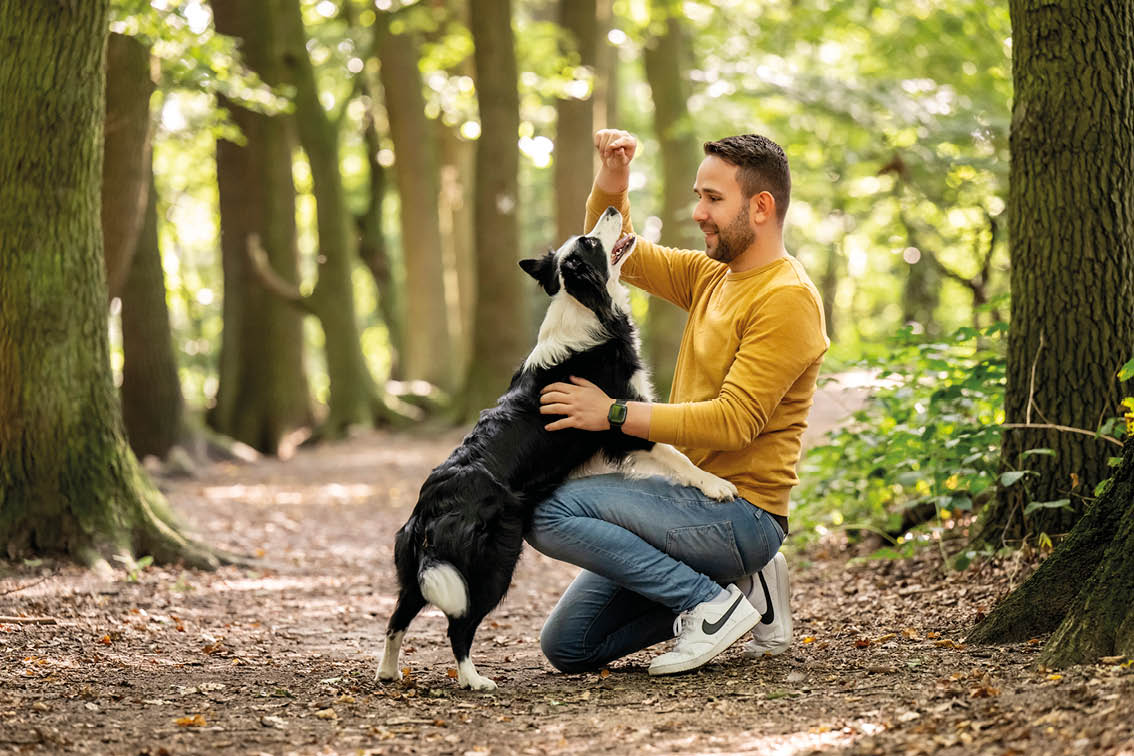
Use treats your dog enjoys and can eat quickly. Small reward snacks help you mark the right moment when the leash becomes loose. 8in1 Meaty Treats can be useful for positive reinforcement during short training sessions.
How to Train Loose Leash Walking Step by Step
Start in a quiet place with few distractions. Keep the first sessions short, so your dog can succeed before he gets tired or overexcited. Use small treats that are easy to eat during the walk.
- Stop when the leash tightens
The moment your dog pulls, stop walking. Stay calm and wait until the leash loosens again. As soon as there is slack in the lead, continue. This teaches your dog that pulling does not move the walk forward. Consistency matters. If pulling works sometimes, your dog will keep trying it. - Change direction and reward attention
If your dog keeps rushing ahead, turn and walk the other way. Reward him when he follows you and the leash is loose. Praise him softly and offer a treat close to your leg, so being near you becomes worthwhile.
If your dog pulls on the leash again, do not repeat the command louder. Go back to the same calm response. Stop or change direction, then reward the loose leash as soon as it happens. This is the core of dog leash training. The dog learns through the result of his own behaviour.
When your dog pulls on the leash, common reasons are excitement, a fast natural pace or too many distractions. Sometimes pulling has simply been rewarded by accident, because the dog reached the tree, person or scent he wanted. To stop the dog from pulling on its leash, the pattern needs to change every time. Short, regular practice is more helpful than one long session.
Common Leash Training Mistakes
Many dogs struggle because the rules change from one walk to the next. If pulling is allowed on the way to the park but corrected on the way home, the lesson becomes unclear.
Avoid jerking the leash or punishing your dog for pulling. Sudden pressure can make training harder and may damage trust. It is also best not to train for too long in a busy place before your dog understands the exercise.
Choose calm surroundings at first. Practise for a few minutes, reward the loose lead and end before your dog loses focus. As your dog improves, add more distractions gradually
Conclusion: A Loose Leash Takes Practice
Loose leash walking is a training habit, not a one day fix. Start in a quiet place, react the same way whenever the leash tightens and reward your dog as soon as he walks with a relaxed lead. Puppies benefit from an early introduction to collar and leash, but adult dogs can learn too. With calm practice and positive rewards, walks become easier for both of you.
FAQ
You can start as soon as your puppy has settled in. Begin indoors with a light collar, then add a leash in a familiar place. Keep sessions short and positive.
Many dogs pull because they are excited, curious or naturally faster than people. Pulling may also have worked before, because the dog reached what he wanted. Calm consistency helps change this habit.
That depends on your dog’s age, character and previous habits. With daily short sessions, many dogs show progress after a few weeks. Regular practice is more important than speed.
A well fitting harness can be a gentle choice for puppies and dogs that pull. A collar may suit some dogs, but it must fit properly. Equipment supports the training but does not replace it.
No. Jerking the lead or punishing your dog can make training harder. Reward the loose leash instead and stop calmly when the lead becomes tight.


More articles


